NC Squatter Laws and Adverse Possession Timeline
Published January 6, 2026 • General
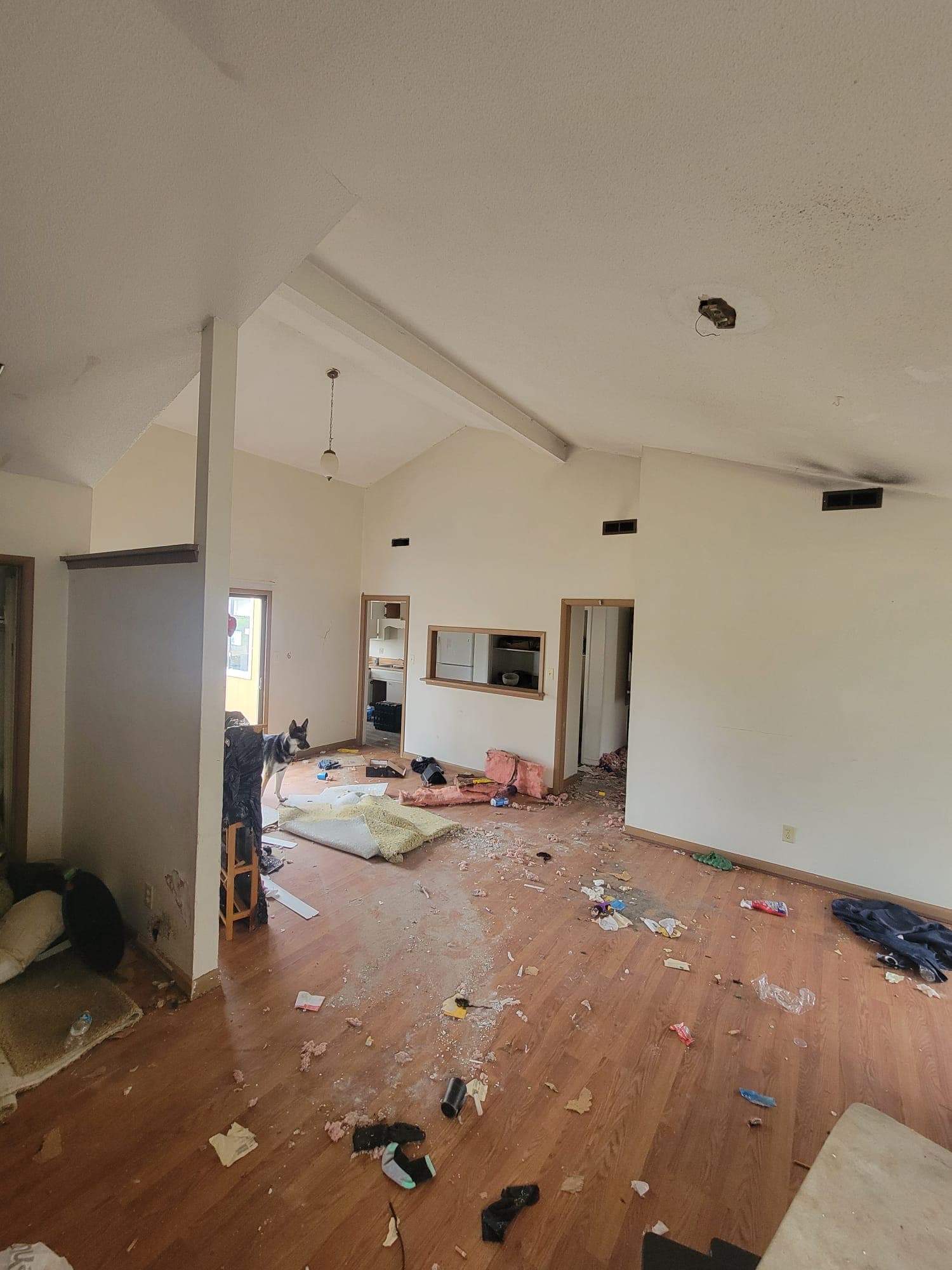
North Carolina’s squatter laws, officially known as adverse possession laws, can be confusing and a bit scary for homeowners. The idea that someone living on your property without permission might eventually claim ownership is enough to concern anyone. Fortunately, North Carolina squatters rights are fairly strict, and it’s difficult for a squatter to gain legal ownership. In this post, we’ll break down how squatter laws work in North Carolina, what the adverse possession requirements are, the timeline differences (20 years versus 7 years with color of title), and what homeowners should watch for. We’ll keep it plainspoken and focused on North Carolina, so you can understand the facts and know how to protect your property. In this guide, we break down how squatters rights work in North Carolina, the legal requirements for adverse possession, the difference between the 20 year rule and the 7 year color of title exception, and what homeowners can do to protect their property. This is written specifically for North Carolina property owners and focuses on practical, real world implications.
What Are Squatter Rights in North Carolina?
Adverse Possession Requirements in North Carolina
- Continuous possession for 20 years: The person must live on (or use) the property uninterrupted for at least 20 years. They cannot leave and come back; the occupation has to be essentially unbroken.
- No permission from the owner: The squatter does not have the owner’s consent to be there. If you’ve given someone permission (even informally), they’re not a squatter – permission breaks the “hostile” requirement.
- Exclusive use of the property: The squatter treats the property as their own, excluding others (including the true owner) from using it. They can’t share possession with the owner or the public.
- Open and notorious occupation: This means the squatter isn’t hiding. Their presence is obvious enough that the owner (and neighbors) could notice they’re living there. It’s not sneaky; it’s out in the open as if they are the owner.
- Hostile claim of right: In legal terms, “hostile” doesn’t mean anger or violence – it means the squatter’s interest conflicts with the owner’s rights. They are on the property without permission, claiming it as their own. Importantly, the squatter could even be there under a good faith mistake (for example, they thought they had a valid deed). The key is that their claim opposes the true owner’s claim.
20 Year Rule vs 7 Year Color of Title Exception
Protecting Your Property From Squatters
- Secure and check on vacant properties: If a house you own is empty (for example, you moved out or it’s an inherited property you haven’t decided what to do with), make sure it’s locked, secure, and periodically visited. Regular visits send a message that the owner is present and caring for the place. Simply making your presence known once in a while can deter would-be squatters who prefer places that seem completely neglected.
- Post “No Trespassing” signs: In North Carolina, as in many states, clearly marking your property with “No Trespassing” signs can help. It establishes that strangers aren’t allowed. While a sign won’t stop a determined squatter, it can later help legally (showing the squatter knew they weren’t welcome). It also might discourage casual trespassers from becoming squatters.
- Keep the property maintained: Properties that look abandoned are far more attractive to squatters. Even if you’re not living there, do basic upkeep – mow the lawn, trim bushes, remove flyers or mail – so it doesn’t look deserted. A house in obviously poor shape or overgrown with weeds signals to squatters that the owner is absent or not paying attention.
- Build good neighbor relationships: Neighbors can be your eyes and ears. If you own a house that you can’t regularly visit (say you live out of town), let a trustworthy neighbor know the place is supposed to be empty. They can alert you (or authorities) if they see someone moving in or lights on at odd times.
- Respond quickly if someone is in your property: If you do discover an unauthorized person living in your house or on your land, act immediately. In North Carolina, you should first contact law enforcement. Squatters are technically trespassers, especially early on. Recent changes in NC law have started treating squatting more firmly as a criminal trespass issue, which means police may be more willing to remove a squatter now than in the past. (Previously, police often said it was a civil matter if the person had been there a while, which forced owners to go through a lengthy eviction process.) Make sure you can prove you’re the owner when you call authorities. If police still aren’t able to help (for instance, if the squatter claims some sort of tenancy), you may need to consult a lawyer and pursue a legal eviction. North Carolina’s formal eviction (ejectment) process for squatters involves giving notice and going to court to obtain a writ of possession. It’s not fun, but it’s necessary to do it by the book, do not attempt to remove squatters by force yourself, as that can lead to legal trouble for you. The key is prompt action; the longer you allow a squatter to stay, the harder it can become to remove them.
Side note: What kinds of properties are squatters most likely to target?
Usually, it’s properties that appear empty or unkempt. For example, an Inherited House that’s sitting vacant, a Vacant House or rental that isn’t being checked, a home in the middle of Foreclosure where the owner has left, or any house with Overwhelming Repairs that the owner has given up on can catch a squatter’s eye. If you’re dealing with any of those situations, be extra careful to secure your property.
Frequently Asked Questions
How long does a squatter have to live on a property to have rights in North Carolina?
In North Carolina, a squatter must continuously occupy the property for 20 years to potentially claim ownership rights through adverse possession. This drops to 7 years if they have “color of title” (a document that appears to give them ownership) during that time. Without meeting those time frames (and all other legal requirements), a squatter has no claim.
What is “color of title” in the context of squatters rights?
“Color of title” means the squatter has some written document (like a deed or court order) that looks like a valid title to the property, but actually isn’t valid due to a defect. It’s essentially a flawed claim of ownership. In North Carolina, color of title is important because it can shorten the required occupation period from 20 years to 7 years for an adverse possession claim. However, it’s not a get-out-of-jail-free card, the person still must occupy the property continuously and meet all other adverse possession criteria.
Can the police help remove squatters in North Carolina?
It depends on the situation, but yes, recent legal updates make it easier to treat squatters as trespassers. North Carolina in 2024 tightened laws so that squatting can be handled as criminal trespass in some cases. What this means for a homeowner is that if someone is clearly an unauthorized occupant, you should call the police. If the squatter has not been there long or has no claim of a lease, the police might remove them for trespassing. If law enforcement can’t or won’t act (for example, if the squatter claims they are a tenant), then you’ll have to go through the courts to evict them properly. Always start with the authorities, don’t try to physically remove a squatter yourself.
Do squatters have to pay property taxes in North Carolina to claim ownership?
No. Unlike some states, North Carolina’s adverse possession law does not require the squatter to pay property taxes on the property as part of their claim. The squatter could skip paying taxes entirely and still potentially gain ownership after the required period (20 or 7 years) if they meet all other conditions. Of course, if someone was trying to squat and really wanted to strengthen their case, paying the taxes would make them look more like a true owner. But legally, it’s not a requirement in NC.
What’s the difference between a squatter and a trespasser?
A trespasser is anyone who enters or stays on property without the owner’s permission. If someone breaks into your house and stays overnight without your consent, they’re trespassing, a criminal offense. A squatter is essentially a trespasser who stays for an extended period and may attempt to claim legal rights to stay there. In North Carolina, squatting starts as a civil issue (property dispute) rather than an immediate criminal arrest, especially if they enter without obvious force. Think of it this way: all squatters are trespassers at the start, but not all trespassers stick around and pretend they have a right to your property. Squatters settle in and try to remain long-term. The longer they stay, the more complicated it can get to remove them, which is why North Carolina is enacting rules to deal with squatters more swiftly.
Related Resources
Dealing with Squatters or Other Property Problems? We Can Help!
Facing a squatter issue or owning a property that’s causing you stress can be overwhelming. Luckily, you don’t have to handle it alone. CHR specializes in helping North Carolina homeowners with tough situations, whether it’s a vacant house attracting squatters, an inherited house you’re not sure what to do with, or a home that’s just too much to manage. We’ll buy your house as-is for cash, quickly and professionally. You don’t have to make any repairs or deal with complicated legal battles on your own. Learn how our process works on our How It Works page and see the success stories from other sellers in our Reviews. We’re here to take the burden off your shoulders so you can move forward with peace of mind.
Fill out the form below and we'll contact you within 24 hours
Or Call Us Now
(910) 900-4512