Squatters Rights in North Carolina Explained
Published December 31, 2025 • Legal
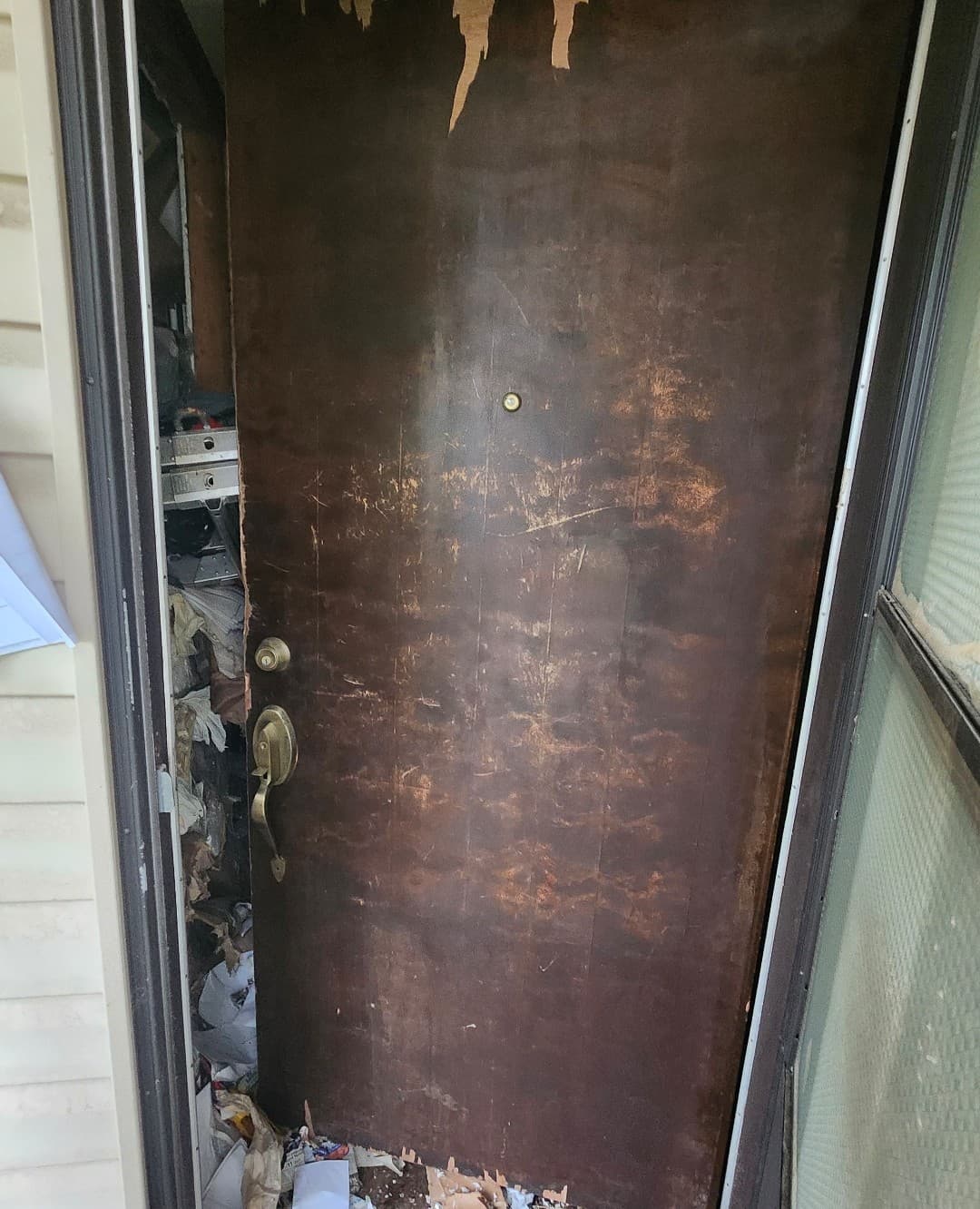
Squatters rights in North Carolina fall under a legal concept called adverse possession, which determines when someone occupying a property without permission may gain ownership rights over time. This can be especially concerning for owners of vacant, inherited, or absentee properties. Understanding how squatters rights actually work in North Carolina helps property owners avoid surprises, protect their property, and make informed decisions about selling or securing a house.
What Are Squatters Rights in North Carolina?
- Squatters must occupy the property openly and continuously
- The occupation must be hostile, meaning without the owner’s permission
- The property must be treated as if the squatter is the true owner
How Long Does Adverse Possession Take in North Carolina?
- 20 years is the standard adverse possession requirement
- 7 years may apply with valid color of title
- The possession must be uninterrupted for the full period
Can You Remove a Squatter in North Carolina?
- Police usually require a court order to remove a squatter
- Improper removal can create legal risk for the owner
- Early action makes removal significantly easier
Why Squatters Are Common in Vacant or Inherited Homes
- Vacant houses attract unauthorized occupants
- Inherited homes may sit empty during probate
- Absentee owners often discover the issue late
Can You Sell a House With a Squatter in North Carolina?
- Most retail buyers will not buy with squatters present
- Legal clarity is required before closing
- Early resolution protects property value
Important Note
This article is for general information only. Squatter and adverse possession laws can be complex. For legal advice specific to your situation, consult a North Carolina attorney.
Frequently Asked Questions
Do squatters have rights in North Carolina?
Squatters do not automatically have rights. Only after meeting strict adverse possession requirements over many years could someone potentially make a legal claim, and most situations do not qualify.
How long can a squatter stay before gaining rights in NC?
Typically twenty years of continuous possession are required. In limited cases with color of title, the period may be reduced to seven years.
Can squatters take over a vacant house in North Carolina?
Vacant houses are more vulnerable, but ownership does not transfer simply because a property is empty. Owners still have legal rights and options to remove unauthorized occupants.
Should I sell a vacant house if I am worried about squatters?
Some owners choose to sell to avoid ongoing risk, security concerns, and legal complications. The right choice depends on how much time, distance, and involvement you want to commit.
Related Resources
Ready to Sell Your House Fast?
If you own a vacant or inherited house and want to avoid the risks that come with unauthorized occupants, we can explain your options and timelines clearly.
Fill out the form below and we'll contact you within 24 hours
Or Call Us Now
(910) 900-4512